
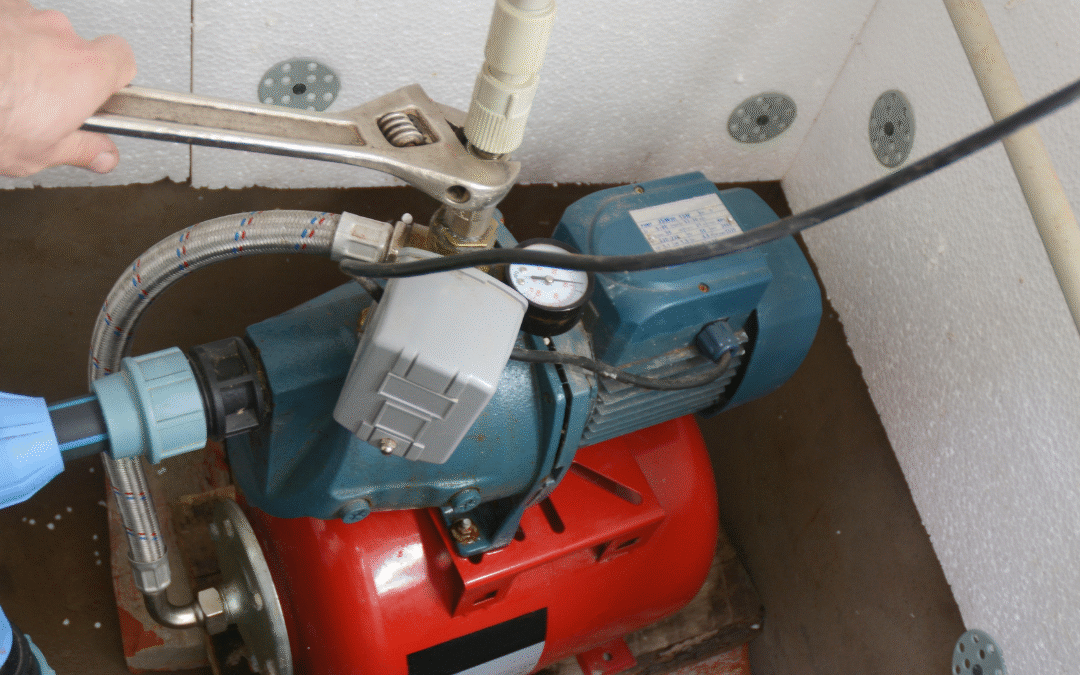
If your home has a basement, your sump pump is one of the most important tools protecting it from water damage. But sump pumps don’t just work during spring storms—they’re also essential during the winter months, when snowmelt, frozen discharge lines, and heavy rain can overwhelm your foundation.
In places like Covington, Union, and Cincinnati, where winter brings unpredictable moisture and deep freezes, a sump pump failure can quickly turn into a flooded basement or mold problem.
Here’s what you need to know to get your sump pump ready before the first snow—and why it matters more than you think.
Table of Contents
1. Why Sump Pumps Matter in Winter (Yes, Even in Freezing Weather)
It’s easy to think of sump pumps as spring-only equipment. But during winter, these systems still play a critical role—especially in homes built on low-lying lots, with poor drainage, or older basements.
Here’s why your sump pump is still working in the winter:
- Melting snow and ice can seep into the ground and rise into your sump pit.
- Winter rainstorms are common in our region and can saturate the soil.
- Warm days followed by freezing nights cause shifting water tables that activate your pump.
- Basement humidity during cold months can lead to hidden moisture and mold if not managed.
If your pump isn’t working, frozen water has nowhere to go—and that can lead to everything from water-stained walls to full-blown flooding.
2. Sump Pump Maintenance Steps for a Safe Winter
Before temperatures dip below freezing, take these key steps to make sure your sump pump is working properly:
- Test the pump
Pour a bucket of water into the sump pit. The float should rise and trigger the pump. If it doesn’t, check the power supply and float switch. - Clean the sump pit
Remove dirt, gravel, and debris that could clog the pump intake or jam the float switch. - Inspect the discharge line
Make sure the line is clear and directed away from your home’s foundation. Frozen or clogged lines are a common cause of pump failure. - Check the power source
Plug the pump into a dedicated GFCI outlet. Avoid using extension cords or shared outlets, which can trip or fail. - Test your backup system
If you have a battery backup, inspect the battery, test the alarm, and confirm the backup pump activates properly.
Regular maintenance is quick, inexpensive, and far easier than dealing with a waterlogged basement in January.
3. Warning Signs Your Sump Pump Might Be Failing
Sump pumps typically last about 7–10 years, but wear and tear can shorten that lifespan—especially if they’ve been heavily used during spring and summer.
Look out for these warning signs:
- Strange noises (grinding, rattling, or humming)
- Pump runs constantly, even when the pit is dry
- Visible rust or corrosion on the pump or discharge pipe
- Pump doesn’t activate during a test
- Unpleasant odors near the sump pit (may signal mold or standing water)
If you notice any of these issues, it’s time to schedule an inspection—or consider replacing the unit before winter puts it to the test.
4. Consider Installing a Battery Backup Before Snow Hits
Power outages are more common during winter storms. And when your home loses power, your sump pump stops working—unless it’s equipped with a battery backup system.
A good backup system:
- Activates automatically when the main pump fails
- Runs on a marine-grade battery for hours of protection
- Includes an alarm to alert you of pump failure or power loss
- Protects your home even when you’re not there
In areas like Fort Wright, Crescent Springs, and Anderson Township, where older homes may be more vulnerable to drainage issues, a backup system offers added peace of mind through snow season.
5. Don’t Wait for the Flood: When to Call a Pro
While basic sump pump maintenance can be DIY, it’s worth having a professional inspection before winter—especially if:
- You’ve had basement water problems in the past
- Your sump pump is more than 5 years old
- You don’t have a battery backup system installed
- You’re unsure if your discharge line is winter-safe
At A+ Services, we help homeowners across Northern Kentucky and Greater Cincinnati get their sump systems winter-ready with:
- Professional sump pump inspections and replacements
- Backup system installations
- Discharge line evaluations and freeze protection
- Emergency service if your pump fails mid-winter
Cold weather is coming fast. Is your sump pump ready?
Schedule a winter maintenance check with A+ Services and protect your basement before the first snow.